Every homeowner in Statesville with a declining tree hears confident opinions. It will heal itself. One dead branch means the whole tree is dying. Mushrooms mean instant removal. Some of that advice is sound, some is folklore, and some depends entirely on where the sign appears and how fast it changes. This myth and fact sorting uses the warning signs arborists actually weigh: lean, fungal conks, deadwood, root problems, and bark damage.
The goal is not to turn you into an arborist. It is to help you tell an urgent sign from a cosmetic one, so a tree that can be saved with pruning and care is not removed in a panic, and a tree that is becoming a hazard is not kept out of habit.
The signs that matter most
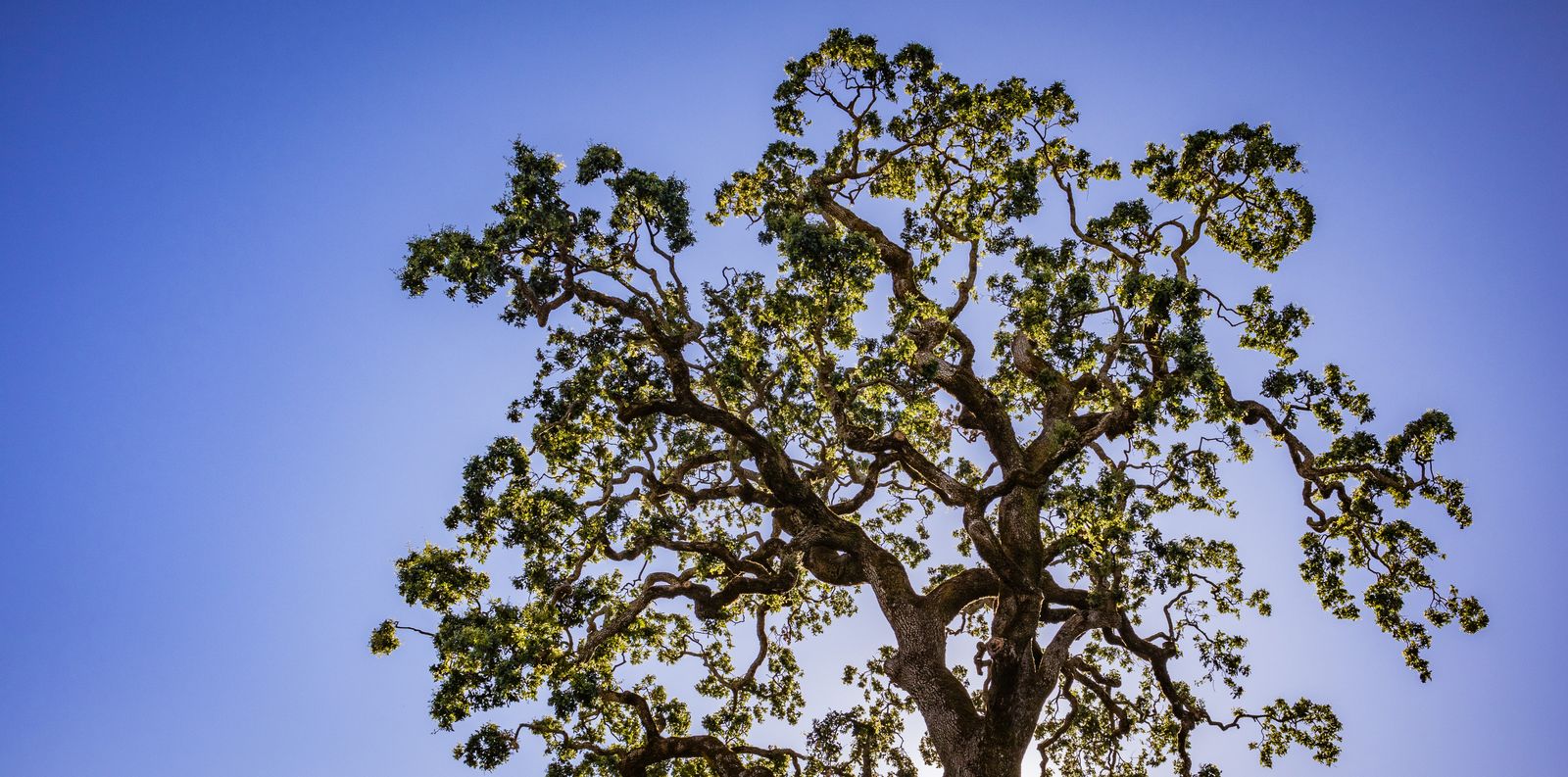
A new lean is different from a lifelong lean. Trees that have grown leaning for decades have often compensated with stronger wood on one side. A lean that appears or increases after a storm, especially with lifted soil or cracked ground on the opposite side, suggests root failure in progress. Fungal conks, the shelf mushrooms on trunks, indicate decay fungi working inside the wood. Their location matters: conks at the base point to root and butt decay, which affects stability more than a small conk high on a branch. Deadwood in the canopy is normal in small amounts for mature oaks, but a tree losing whole scaffold limbs or dying back from the tips across the whole crown is declining as a system.
| Claim | Verdict | What is actually true |
|---|---|---|
| Any lean means the tree will fall | Myth | An old, stable lean is often compensated. A new or increasing lean with soil heaving is the urgent sign. |
| Mushrooms on the trunk mean remove it now | It depends | Conks show internal decay. Species, size, location, and how much sound wood remains decide urgency. |
| Some dead branches mean the tree is dying | Myth | Mature trees shed interior branches normally. Dieback across the whole crown, year after year, is the real warning. |
| Bark falling off is always fatal | It depends | Some species shed bark naturally. Bark loss with cracks, oozing, or exposed dead wood on one side points to injury or disease. |
| Topping a declining tree saves it | Myth | Topping removes leaf area a stressed tree needs and creates decay prone stubs. It weakens rather than saves. |
| A hollow tree is always dangerous | Myth | Many hollow trees stand for years. Risk depends on the thickness of sound wood around the cavity and what the tree could hit. |
Root heave, cracks, and what is underneath
Soil lifting on one side of a trunk, roots that sound hollow or feel soft, and a widening crack running up the trunk all deserve prompt attention because they involve how the tree stands up. So does a split where two codominant stems meet with bark trapped between them, a weak union that can fail in wind. By contrast, ants in a cavity, a woodpecker hole, or moss on the shaded side are usually passengers, not causes. Watch the rate of change. Photograph suspect trees from the same spot each season. A sign that is stable for two years is managed differently from one that progresses in two months, and those dated photos help a crew such as Mecho Tree Service judge the trend instead of a single snapshot.
When the decision makes itself
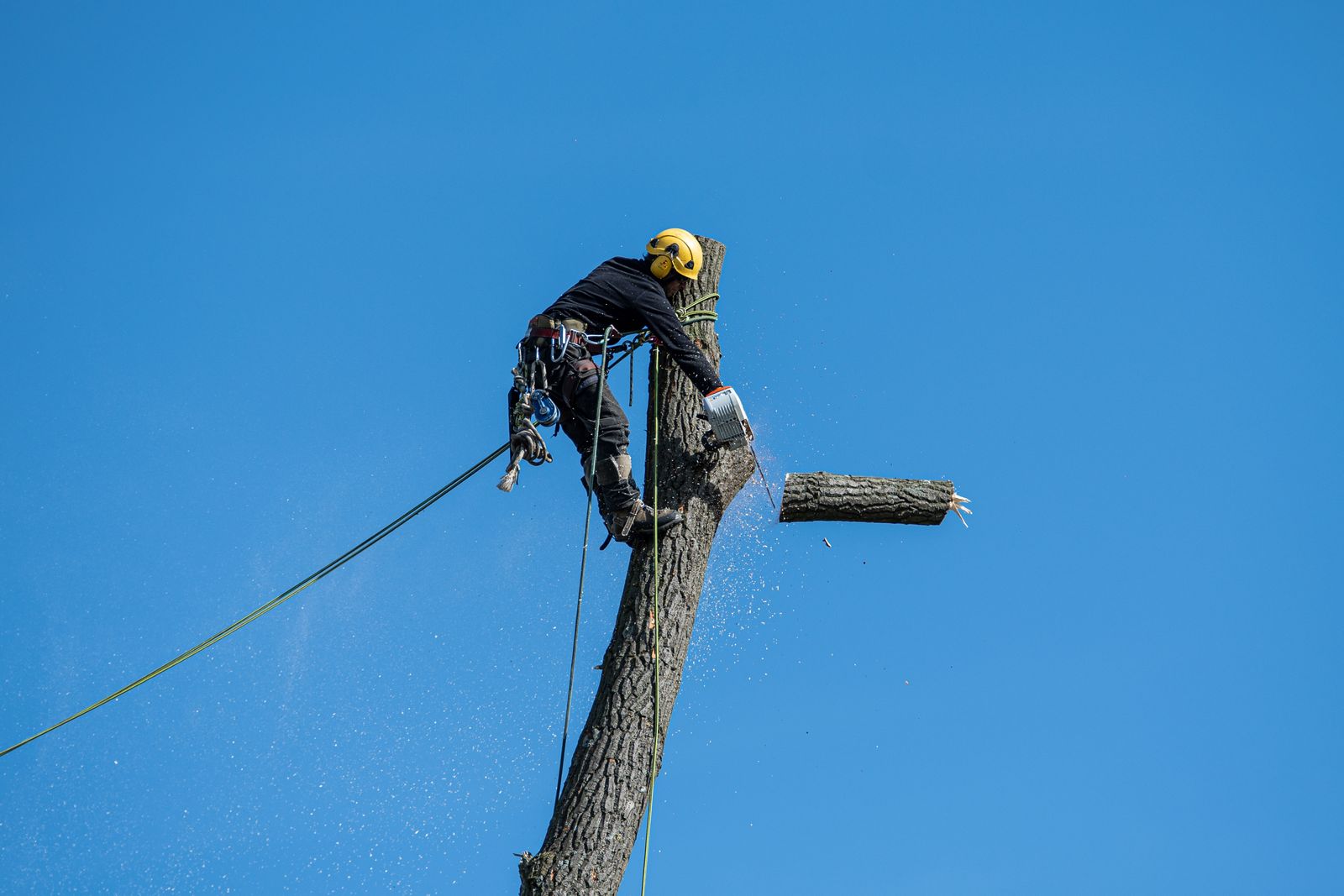
Removal becomes the clear answer when a structurally failing tree leans toward a house, driveway, or play area, when decay has taken most of the supporting wood at the base, or when a tree is dead: dead large trees become brittle and harder to remove safely the longer they stand. Saving becomes the clear answer when signs are local: one damaged limb, early dieback with a correctable cause such as buried root flare or drought stress, or a lean that proves old and stable. Between those poles sits most real cases, and that is exactly where a professional inspection earns its keep, because the cost of guessing wrong runs in both directions.
Common questions
How fast should I act on a new lean?
Promptly. A new lean with lifted soil or ground cracks suggests roots are failing, and the tree should be assessed before the next storm rather than watched for a season.
Can a tree with mushrooms at the base be saved?
Sometimes it can be monitored or reduced, but basal conks signal decay where stability matters most. The deciding factors are the tree species, the extent of decay, and what it could fall on.
Is it cheaper to remove a dead tree right away?
Generally yes in effort and risk. Dead wood gets brittle, sheds bark, and gives climbers fewer safe options, so waiting makes the removal harder rather than easier.
Photos in this guide are representative stock images.
← All guides from Mecho Tree Service← Back to Mecho Tree Service