A tree near a house in Statesville raises two different worries that often get merged into one. The first is roots under a foundation. The second is a canopy over a roof. They have different causes, different timelines, and different fixes. Troubleshooting works best when you separate the symptom you can see from the mechanism underneath it, because most foundation damage blamed on trees in the Piedmont turns out to involve water and clay soil as much as roots.
Start with what is actually happening: a crack in a wall, a door that sticks seasonally, lifted sidewalk panels, shingles worn by branches, or gutters that fill faster than you can clean them. Each symptom points to a test. Work through the steps below before deciding that a tree has to go, or that it can safely stay.
- Name the symptom precisely. A foundation crack that widens in dry summers and narrows after wet winters suggests soil moisture movement in clay. A crack that grows steadily in one direction, with floors sloping toward it, needs a structural look regardless of trees.
- Map distance and species. Measure from trunk to foundation and identify the tree. A large mature oak twenty feet from a house is a different case from a small ornamental at the same distance, because mature size and water demand drive the effect.
- Check the canopy over the roof. Branches rubbing shingles, heavy shade keeping a roof damp, and limbs hanging over gutters are canopy problems. They are usually solved by proper pruning, not removal, if the tree is otherwise healthy.
- Look at drainage around the foundation. Downspouts dumping at the base, soil graded toward the house, and soggy corners change soil moisture more dramatically than roots do. Fix drainage before blaming the tree.
- Inspect roots you can see. Surface roots lifting a walk or driveway edge are common and often manageable. Roots rarely crack a sound, well built foundation directly; they exploit cracks and moisture changes that are already present.
- Decide: monitor, prune, or remove. Monitor small stable symptoms with dated photos. Prune canopy and minor root conflicts where a professional can do it without harming stability. Remove when a tree is declining, structurally unsound, or so close that its mature size cannot fit the space.
Roots, clay, and the moisture story
Tree roots grow where they find water, air, and room, which usually means the top few feet of soil. In red clay around Statesville, soil swells when wet and shrinks when dry. A large tree drawing moisture from one side of a shallow foundation can deepen that drying and contribute to uneven settlement, especially in drought. That is an indirect effect, and it is why consistent soil moisture and good drainage matter more than a root barrier installed as an afterthought. Cutting major roots close to a trunk to stop the effect can destabilize the tree and create a fall risk worse than the original problem, so root work near a house belongs to professionals such as Mecho Tree Service working with a clear plan.

Roofs and gutters: the unglamorous reality
Canopy problems are less dramatic and more constant. Leaves and twigs fill gutters, overflow stains siding and soaks the soil at the foundation, which circles back to the moisture problem. Shade keeps north facing roof sections damp longer after rain. Branches in contact with shingles abrade the surface in wind. The fix is clearance pruning that keeps limbs back from the roof while preserving the tree structure, done with proper cuts rather than topping. If you are planting new trees, the cheapest foundation protection is distance: plant large canopy trees at least their expected mature spread away from the house, and put small ornamentals in the close spaces instead. That single planting decision prevents most of the foundation, roof, and gutter questions this guide has covered, years before they would otherwise appear.
Common questions
Can tree roots crack a concrete foundation?
Roots seldom crack a sound foundation outright. They more often contribute indirectly by drawing moisture from clay soil, or grow into cracks and plumbing that are already leaking or damaged.
How far from a house should a large tree be?
A useful guide is to expect the canopy to reach roughly the mature spread of the species, and plant large trees well clear of roofs and foundations. Existing trees closer than that are managed case by case.
Should I cut roots that are heading toward my house?
Not on your own. Cutting structural roots can make a tree unstable and rarely solves a moisture problem. Get a professional assessment of which roots they are and what the tree can safely lose.
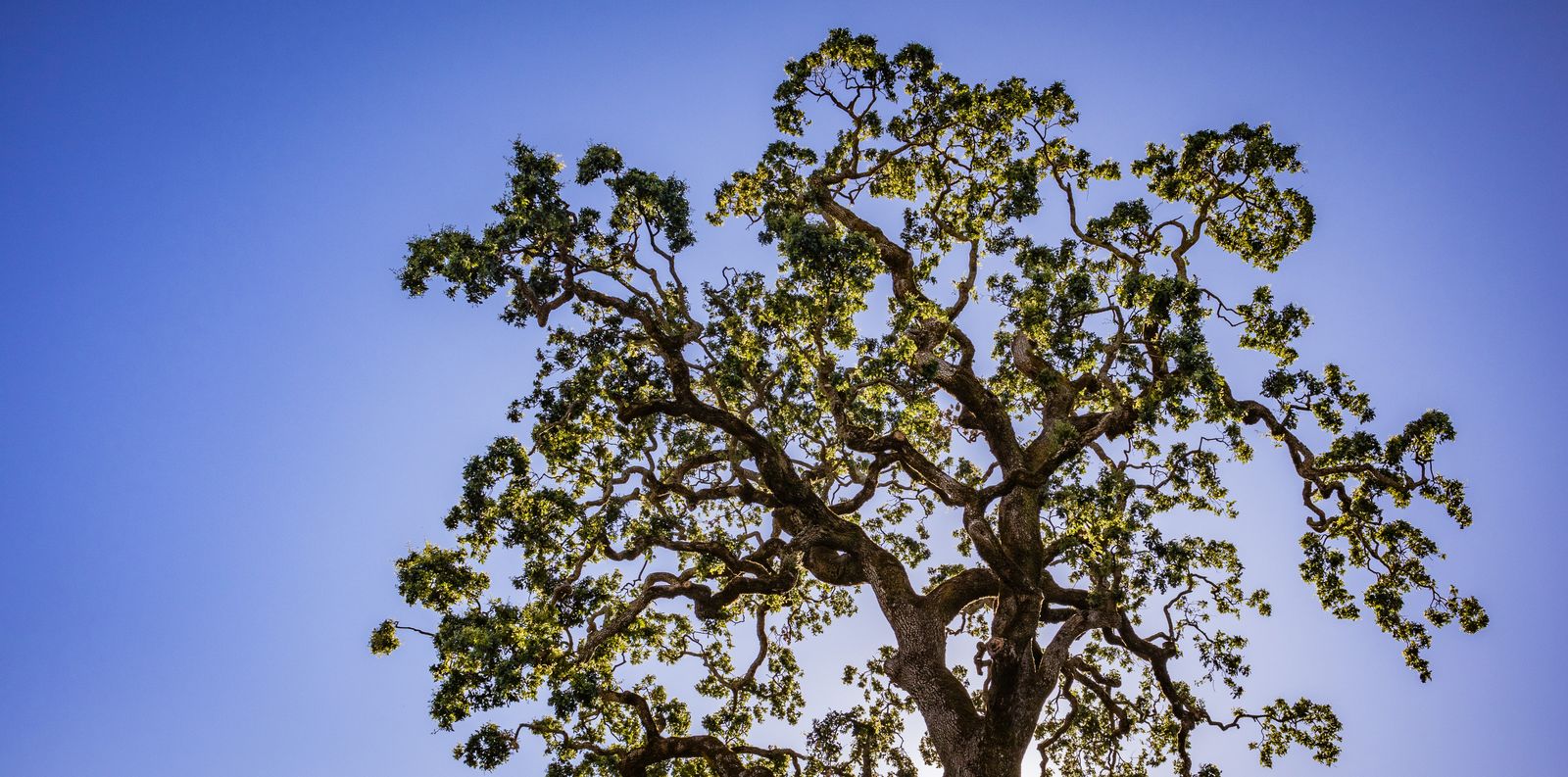
Photos in this guide are representative stock images.
← All guides from Mecho Tree Service← Back to Mecho Tree Service