Summer thunderstorms and the occasional fall hurricane remnant test every tree in Statesville. When one fails, the work that follows has an order to it, and doing it out of order creates danger and paperwork problems. This calendar style guide spreads the response across the first day, the first week, and the following seasons, because storm damage to trees is handled in stages: safety, documentation, skilled removal, then monitoring the survivors.
The most important rule comes first. A tree on a roof, a limb hanging over a driveway, or any wood tangled with a power line is not a weekend project. Keep people and pets clear, and treat every hanging limb as loaded and unpredictable, because it is.
| When | Action | Why it matters |
|---|---|---|
| First hours | Keep distance, check for power lines, call the utility for any line contact, then call a tree crew for hazards | Hangers and split trunks can drop without warning, and energized lines change everything |
| First day | Photograph damage from safe positions: tree, roof, fence, vehicles, and the stump or root plate | Insurance claims and neighbor questions both go better with dated photos taken before cleanup |
| First week | Remove hazards, clear access, and have damaged survivors assessed for corrective pruning | Torn limbs left hanging decay and attract pests, and jagged wounds need clean cuts |
| First month | Decide on split trunks, cracked unions, and leaning trees with a professional assessment | Some storm stressed trees can be cabled or pruned, others are now removal candidates |
| Next season | Watch survivors for dieback, fungal growth, and new lean; water during dry spells | Storm stress often shows months later, and early signs change the save or remove answer |
| Next year | Replant with species and placement suited to the space, away from roofs and lines | Replacement is the chance to fix the original too-close or weak-wooded problem |
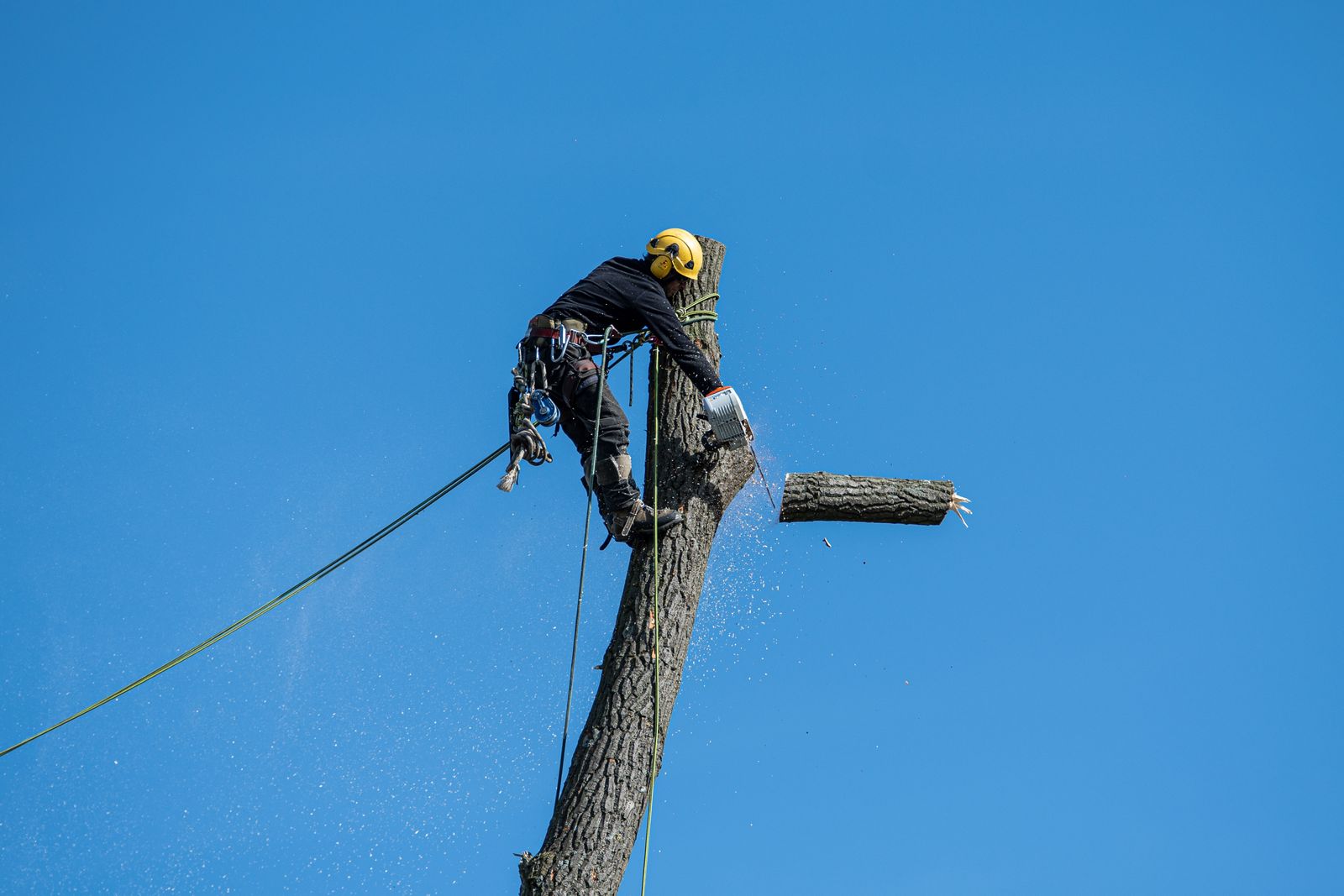
Hangers, widow makers, and split trunks
Arborists call a broken limb caught in the canopy a hanger, and it is among the most dangerous pieces of wood on a property because it can fall on a calm day a week later. Split trunks, where a storm has torn a union partway, sometimes can be stabilized if the split is limited and the tree is otherwise valuable, but many splits keep opening and become removals. Do not park under suspect trees, do not let children treat a fallen trunk as a climbing toy while roots are still spring loaded, and do not cut a trunk that is supporting a leaning tree without understanding the tension in it. Crews such as Mecho Tree Service read that tension before the first cut, which is the skill storm work actually requires.
Insurance, neighbors, and the order of calls
Photograph before you clean, keep invoices, and call your insurer early to learn what documentation they require. For a tree that fell from a neighbor's yard, rules and responsibilities vary with the situation and the tree condition, so document and communicate rather than assuming. The practical call order is utility first for lines, tree crew second for hazards, insurer alongside both for documentation, and a roofer or other trades after the wood is off the structure. Clearing a tree off a roof before a roofer assesses it protects everyone and gives cleaner evidence of what the tree did versus what the weather did.
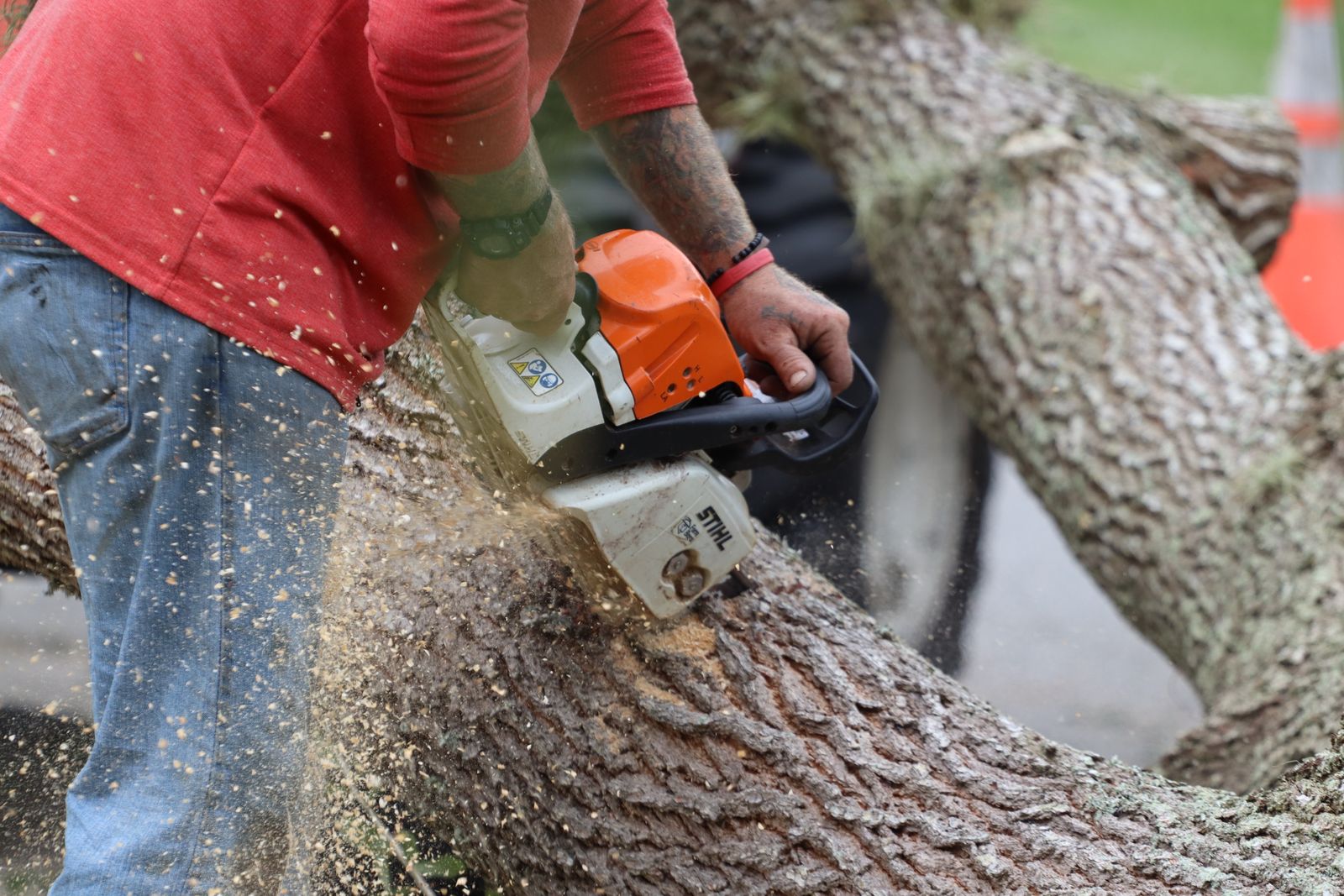
Preventing the next storm loss
After cleanup, walk the remaining trees with fresh eyes. The storm that took one tree exposed the weaknesses of its neighbors: codominant stems with trapped bark, canopies heavy on one side, and root zones damaged by construction or trenching. Preventive pruning in a calm season, done with proper cuts, reduces sail and removes flawed unions before wind tests them. Keep mulch rings wide and soil healthy so roots anchor well, and avoid cutting roots during landscape projects near mature trees. No work makes a tree storm proof, but a tree that enters storm season sound, balanced, and well rooted is far more likely to be a survivor you monitor than a hazard you remove.
Common questions
A limb is hanging over my driveway. Can it wait until the weekend?
No. Hangers can fall without warning and should be treated as urgent. Keep vehicles and people out from under it and get a crew to assess it promptly.
Should I clean up before calling my insurer?
Make the scene safe, but photograph everything first from safe positions. Dated photos of the tree in place are the evidence a claim is built on.
My tree survived but lost a large limb. Will it recover?
Many trees do, with clean corrective pruning at the tear and monitoring over the next season. A large loss of canopy or a torn trunk changes the odds, so have it assessed rather than guessing.
Photos in this guide are representative stock images.
← All guides from Mecho Tree Service← Back to Mecho Tree Service